
Blog
Understanding the Autistic Rainbow
A personal Account by Erica Elewokor – MYP 4
When people hear the word “Autism” in Ghana, they think of that one kid who’s non-verbal and likes to mess around and flap their hands with joy. But when it comes to those who are autistic with lower support needs, they’re under the radar, so their behaviours and mannerisms are dismissed as inappropriate, disrespectful, or “something spiritually wrong with them,” which then causes autistic people to face discrimination and demonisation from people who aren’t, which can force them to mask. And not just Autistic people face this; other people who have mental and learning disabilities face this due to the amount of stigmatisation, especially for children with superstitious parents, which can force them to mould into a personality that can’t fit them and later can lead to depression and anxiety.
Autism is a neurodevelopmental disorder that affects social and communication development and seeing the world differently, which shows up early in childhood but, in some cases, can be less obvious in early childhood than in others, which can explain why, for some people, it can go undiagnosed until later in life, which is why I think that Autism isn’t a one-size-fits-all glove. Still, it’s the same glove but in different sizes for different people.
Some people are social butterflies but can’t pick up sarcasm and can misinterpret a joke that someone made, or some can be mute but can read body language in minutes. All Autistic people are different, but the core of it is the social & communication differences and how we view the world compared to others. There might be times when autistic people might not have a filter, and they might not realise that what was said was or wasn’t appropriate, and it can mostly create problems or cause misunderstandings for people around them, like they may point out things that shouldn’t be pointed out or being honest, which sometimes may be considered having a “Strong sense of justice”
Another thing is that Autistic people prefer routine and repetitiveness because it’s predictable for most Autistic people, which makes most autistic people great at memory skills and gives them a greater ability to pay attention to small details. They might prefer the same meal every day because of the taste and the way it was made; getting to a particular spot at a particular time because the brain knows that at that time there’s a particular vibe or event on that day, or they might wear or have the same shirt every day because it has a familiar and particular texture so that the brain doesn’t experience sensory overload.
Speaking of which, most autistic people can have sensory issues, making them hyper- or hyposensitive to certain sensations through their 5 senses; hypo-sensitive people are more likely to be sensory seekers in that area, while hypersensitive people are more likely to be sensory avoidant. When autistic people are under sensory overload, they can have a meltdown, which isn’t a tantrum. It’s often the only way to communicate that they’re overwhelmed by their senses; most commonly, sound and tactile input are the most affected, though it can vary from autistic person to person.
Misconceptions
There have been so many misconceptions surrounding autism, such as its link to vaccines and environmental toxins, or that it only affects boys (mostly white caucasian in the general viewpoint, but it’s still a misconception that it only affects boys), or “Oh, everyone’s a little autistic”, and these are a few common misconceptions that surround autism. There are plenty of misconceptions that surround this disorder. Autism can affect any race and gender, and it’s genetic, so it can be a gamble for some people who do have other family members with this condition, who do or don’t know who has it. There’s also a bigger misconception about autism: “There’s only one way to be autistic,” which isn’t true. Autistic people have something called a spiky profile, which means that some autistic people can do some things or can’t, and this can vary in how it affects their day-to-day life. One autistic person can function well at work or school but may need assistance with basic needs like cooking or cleaning up after themselves, or may be able to communicate the idea but then might not be able to put it on paper when they have to do a report or essay. It doesn’t mean that they are dumb or that they can’t do anything, and they can improve or regress over time during growth. And a big misconception is that “Autistic people don’t have feelings,” which can look like it, but most autistic people have something called alexithymia, which means they have trouble experiencing, identifying, understanding, and describing their own emotions, and they can feel them at an intense or very mild rate, so maybe when they receive a gift, they might be excited but not show it, or might be really excited or upset over a small moment.
How to Treat an Autistic Person.
So what can we do when we encounter or meet an Autistic person for the first time? Well, all it takes is patience and acceptance. Talk to them and see what they like and don’t like. Don’t be harsh when correcting them on their social cues, and if they are overwhelmed, give them space and don’t dismiss it as overreacting or a tantrum. When they’re ready, talk to them about how they felt, how it should’ve been, and how it can be handled next time. Be clear and specific because Autistic people can take things literally; even some autistic people might not get jokes or sarcasm, so just explain it to them if they don’t understand. Though autistic people have flaws, at the end of the day, they’re human and see the world differently, and even if they look “normal” and insanely smart, they are still autistic at the end of the day and carry those struggles. Also include them in things, even in and outside the classroom, like letting them be your partner or in a group when no one wants them (If they want to, some might want to be alone, and it’s ok). The aim of my article is to bring awareness that there are autistic people who might look normal and have low support in their day-to-day life but can struggle and enjoy the perks of autism, and when you meet an autistic person, treat them how you would normally treat another person by not excluding or infantilising them; even if they’re able to do basic things, still try to be a good person to them.
One of the institutions championing the acceptance and inclusion of individuals with autism and other special needs is HopeSetters Autism Centre, located in Community 11, Tema. The institution was established to provide adequate care, support, and training for individuals living with autism, their families, and persons with Intellectual and Developmental Disabilities (IDD) in Ghana. The Founder and Director, Mrs Baaba Enchill, would be delighted to welcome you to the centre and share more about its work.
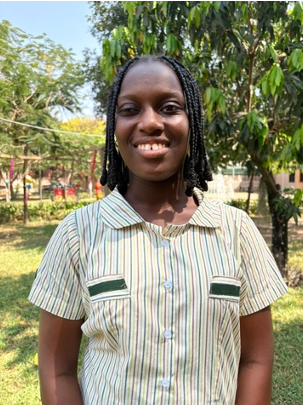
About the Writer
This article was written by Erica Eleawokor, a Grade 9 student at Tema International School. It forms part of her Community Engagement experience, through which she hopes to raise awareness about neurodiversity and encourage greater understanding, acceptance, and inclusion.
As someone who is also on the autism spectrum, Erica is passionate about helping others understand the importance of embracing differences and ensuring that individuals on the spectrum do not feel excluded.
Erica is the eldest of four children in the Eleawokor family.
Give Hope, Spark Change!
Every donation helps us provide specialized programs, resources, and safe spaces where people on the spectrum can learn, grow, and thrive. Together, we can build a world where autism is embraced and hope is shared.